Welcome. Why am I here? Why are you here? What are we doing??
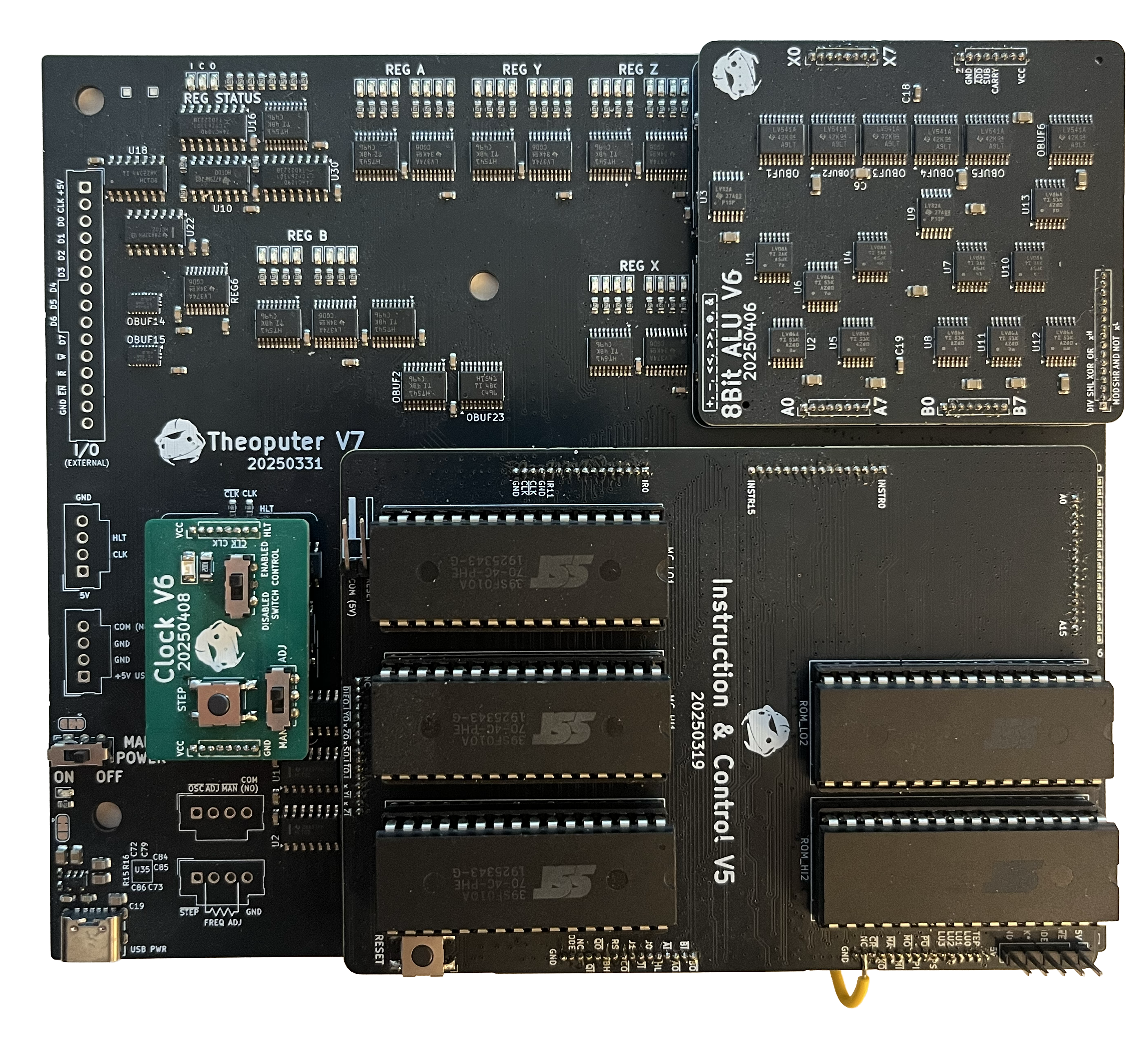
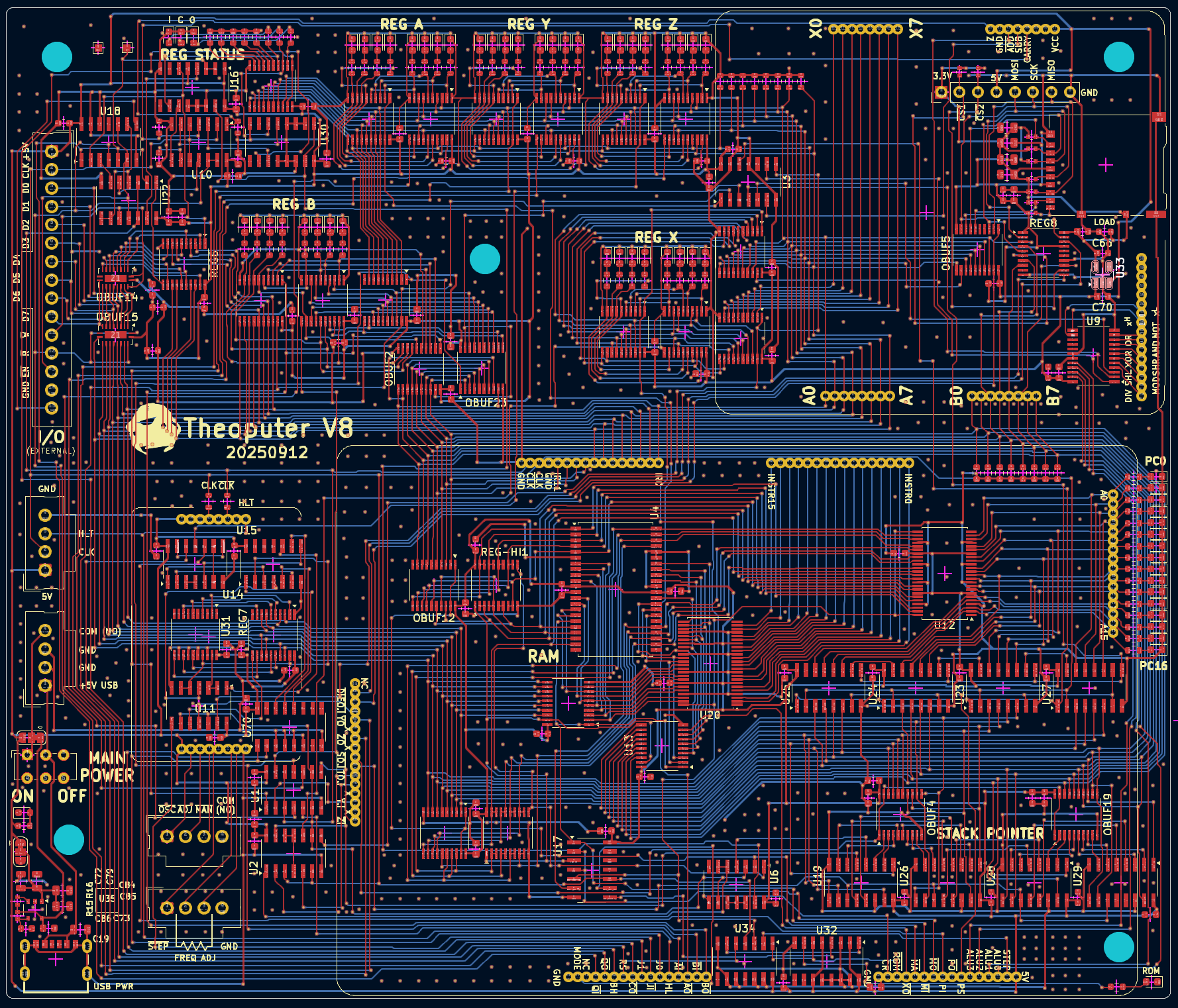
Part introduction v2, part rambling. This is a good place to start if this is your first time here. I tried to make a condensed version of what this Theoputer is and how it works.
Despite being poorly named, this is a really important part of the Theoputer. It really acts as a starting point for understanding all of the parts of the computer from an integration level perspective.
Small but mighty the assembler be. Some programming wizards might claim an assembler is all you really need to melt faces. Mere mortals such as myself work better with a compiler, but an assembler is still absolutely necessary.
Insert one of those inspirational quotes about how a step leads to something big. This is a 'short' post, with a video!, about the very first instruction the Theoputer ever performed. It was small but mighty at the time.
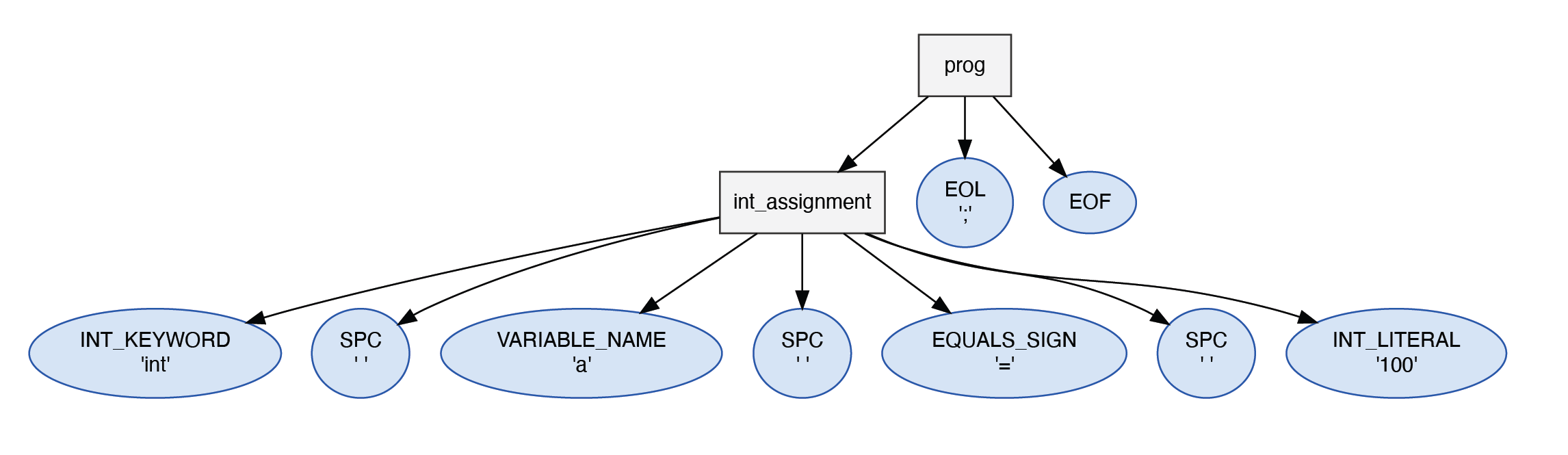
There is a Theoputer C(ish) compiler. It is complex and not for the faint of heart, but I feel compelled to document it. This is "just" and intro though, or the tip of the proverbial iceberg.
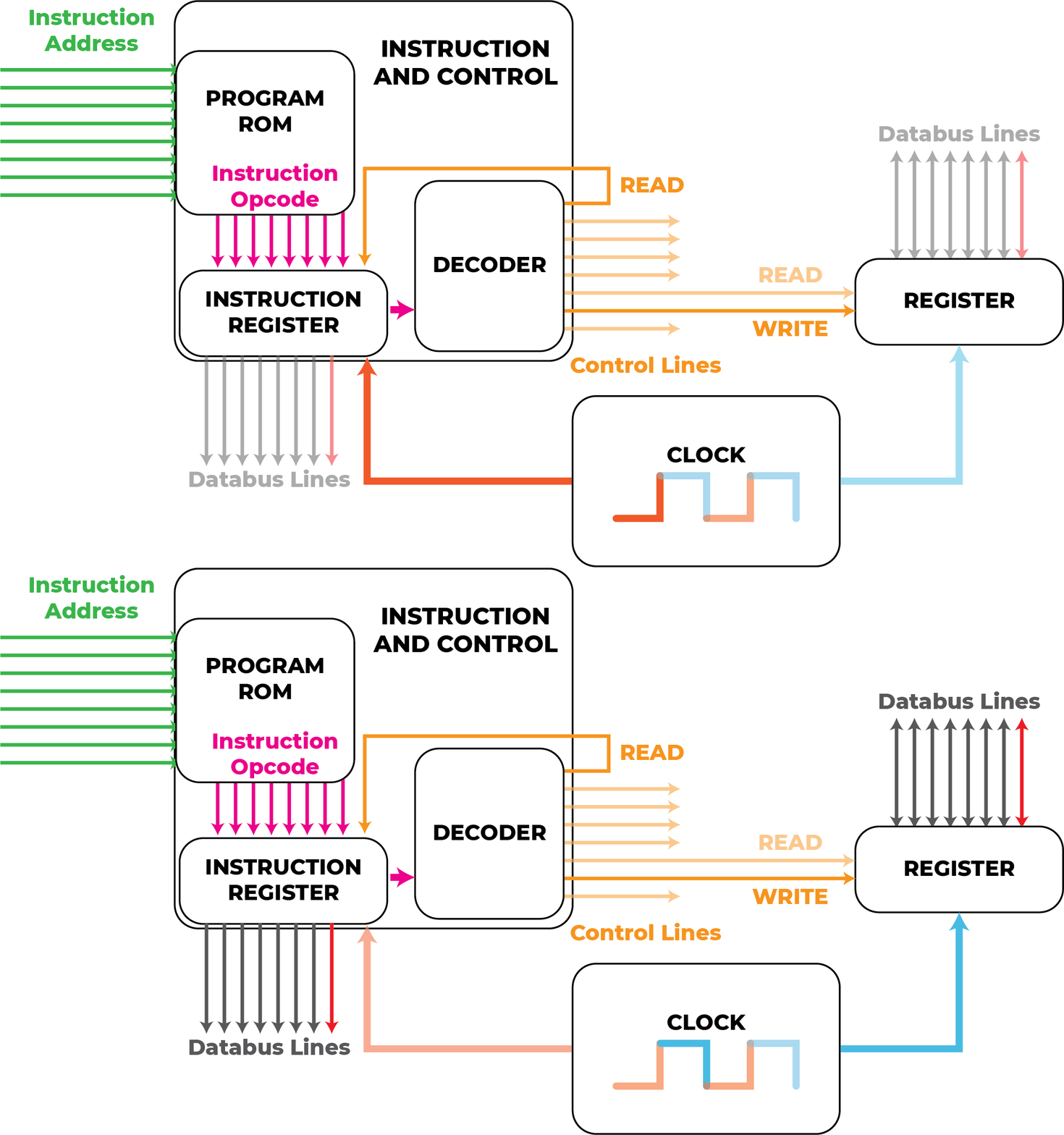
The name says it: instructions and control. This circuit / board is one of the most important parts of the Theoputer, responsible for fetching and decoding instructions. It's complicated, but integral.
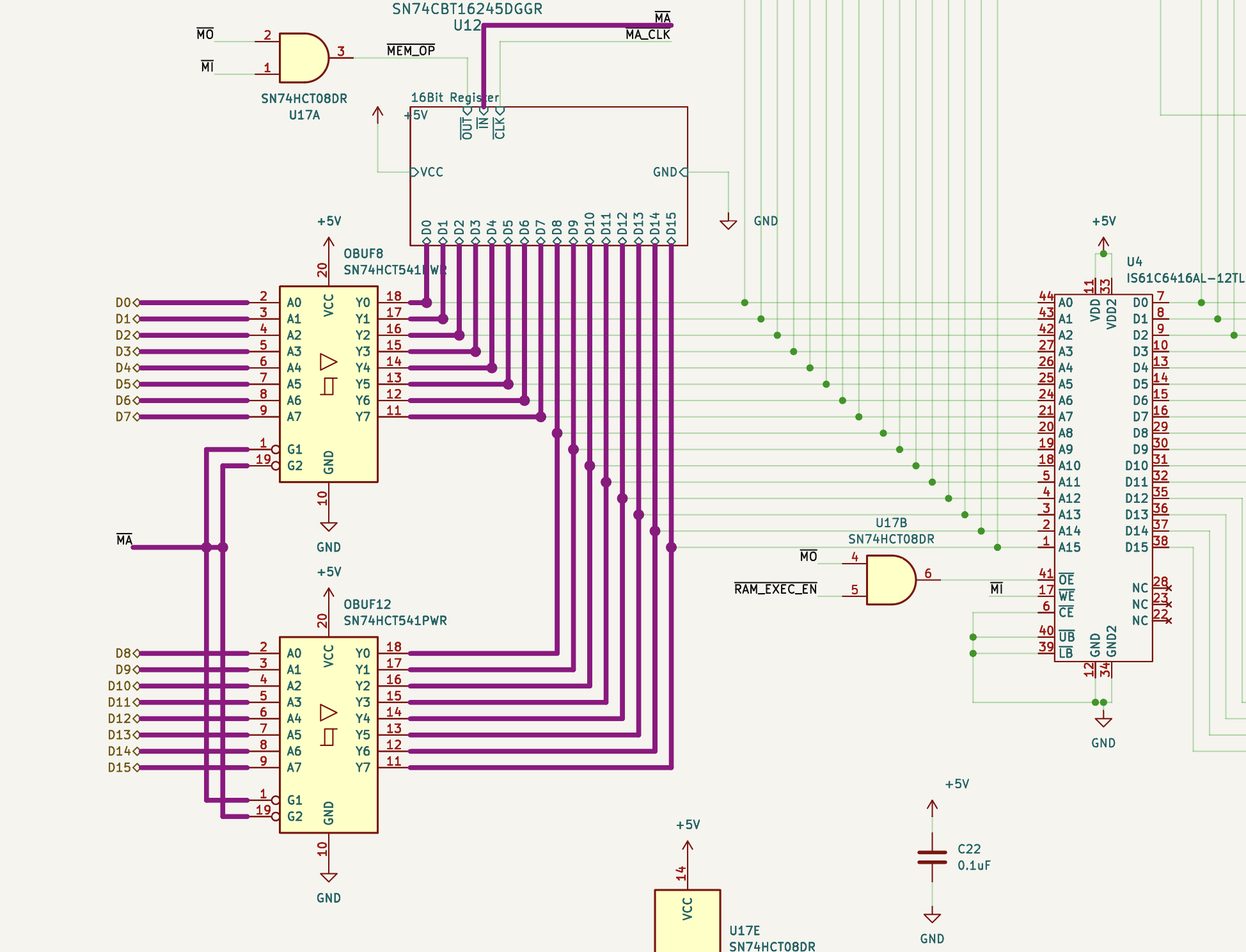
Is it just a bank of registers, or something more?! Well it's always more complicated than yes/no. The real challenge is handling *which* part of memory to operate on.
The databus is like the central nervous system of the computer. Every interaction between the systems in the Theoputer use the same 16 signals, but how do we do that safely is the real question.
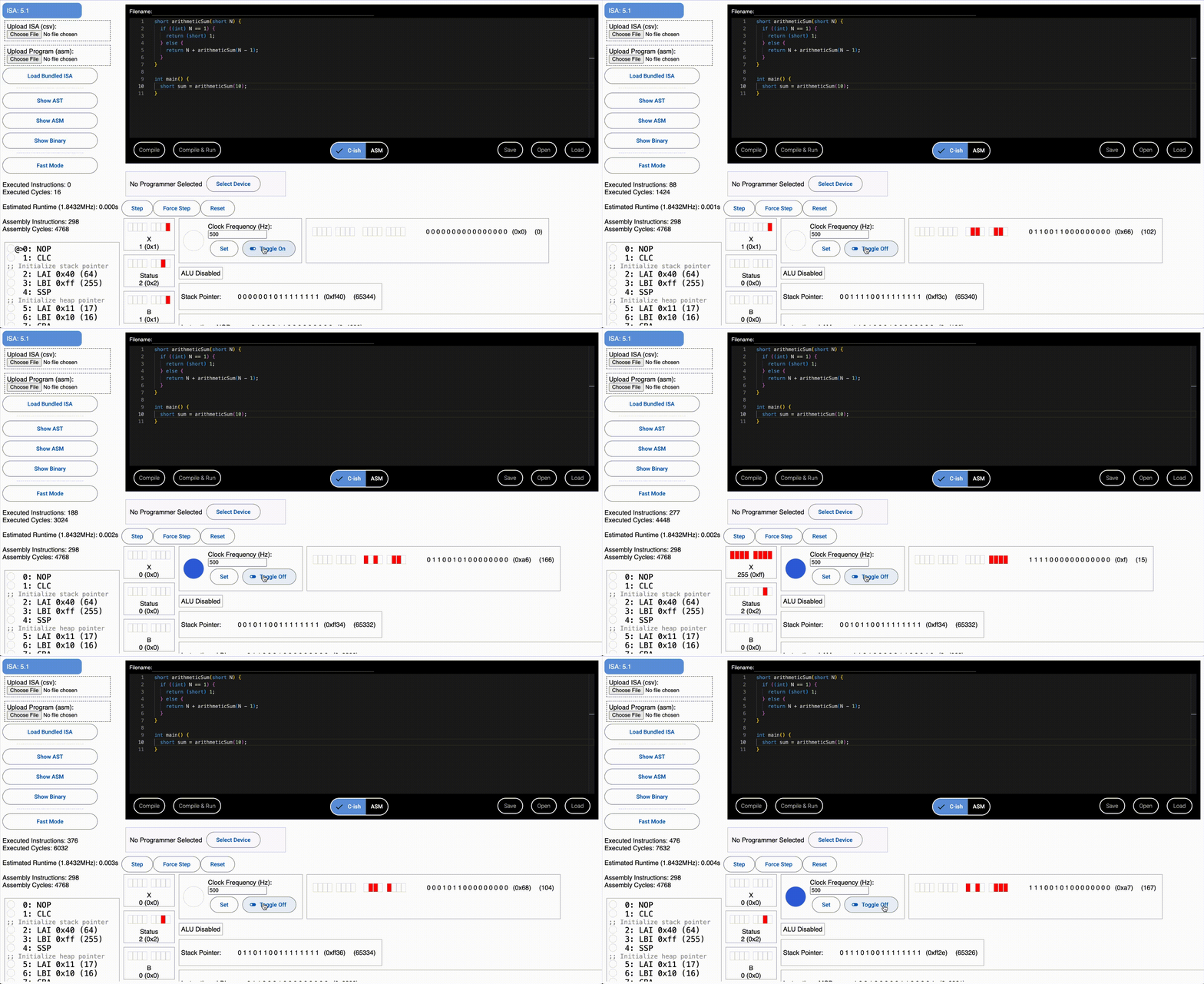
What's a computer without a proper simulator, amirite?! Yes, there is a Theoputer simulator. And yes it's probably overengineered. And yes, there's a C compiler, but that's covered elsewhere.